
The global economy in 2026 is evolving faster than many people expected. From the rising role of artificial intelligence to shifting consumer habits and changing job markets, economic trends are influencing how people live, work, shop, and save money every day. While governments and corporations often dominate discussions about the economy, the real impact is felt in households, local businesses, and personal financial decisions.
Understanding these trends is no longer optional. Whether you are a professional, entrepreneur, student, or retiree, staying informed about the economic forces shaping society can help you make smarter decisions and prepare for the future.
The Rise of Artificial Intelligence and Workplace Transformation
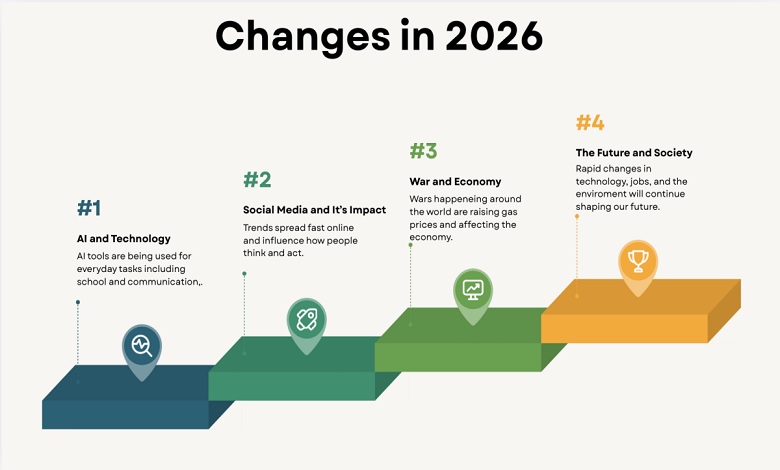
One of the most significant economic trends in 2026 is the rapid expansion of artificial intelligence (AI) across industries. Businesses are increasingly using AI-powered tools to automate repetitive tasks, improve customer service, and reduce operational costs.
For workers, this transformation brings both opportunities and challenges. Many routine administrative and manufacturing jobs are being replaced or redesigned, while demand for digital, analytical, and creative skills continues to grow. Professionals who adapt by learning new technologies and improving their digital literacy are finding stronger career opportunities and higher earning potential.
At the same time, companies are investing heavily in employee training programs to help workers transition into more technology-focused roles. Remote and hybrid work models, accelerated by digital transformation, remain common in 2026 and continue to reshape urban economies, transportation habits, and real estate demand.
For everyday consumers, AI is becoming more visible through personalized shopping recommendations, smarter financial apps, virtual healthcare assistance, and automated customer support. These innovations save time and improve convenience, but they also raise concerns about data privacy and job security.
Inflation and the Cost of Living Continue to Matter
Although inflation rates have stabilized compared to previous years, the cost of living remains one of the biggest concerns for households worldwide in 2026. Essential expenses such as housing, groceries, utilities, healthcare, and education continue to consume a large portion of household income.
Consumers are becoming more budget-conscious and strategic with their spending. Many families are comparing prices online, switching to generic brands, reducing unnecessary subscriptions, and focusing on long-term financial planning.
Housing affordability remains a major issue in many cities. Higher construction costs, population growth, and limited housing supply have kept property prices elevated. As a result, more people are choosing smaller homes, shared living arrangements, or suburban areas with lower living costs.
The impact of inflation is also influencing lifestyle decisions. Consumers are increasingly prioritizing experiences and financial security over luxury spending. This shift is encouraging businesses to offer flexible pricing, loyalty programs, and subscription-based services to retain customers.
Sustainable Living and Green Economics
Sustainability is no longer just an environmental issue; it has become a major economic driver in 2026. Governments, corporations, and consumers are investing more in renewable energy, electric vehicles, sustainable products, and eco-friendly infrastructure.
Energy efficiency has become an important financial priority for households. Many homeowners are adopting solar panels, smart appliances, and energy-saving technologies to reduce utility costs and improve long-term savings.
Consumers are also paying closer attention to the environmental impact of the products they buy. Businesses that promote ethical sourcing, recyclable packaging, and sustainable manufacturing practices are gaining stronger customer trust and market share.
The green economy is also creating new employment opportunities. Careers in renewable energy, environmental engineering, electric vehicle manufacturing, and sustainable construction are expanding rapidly.
For everyday life, this trend means people are increasingly balancing affordability with environmental responsibility. Sustainable choices are becoming more mainstream as technology improves and prices gradually become more accessible.
Digital Banking and Cashless Economies
The financial landscape in 2026 is more digital than ever before. Mobile banking, digital wallets, online investing platforms, and contactless payments have become deeply integrated into everyday transactions.
Consumers now expect fast, secure, and convenient financial services. Traditional banking institutions are competing with financial technology companies that offer simplified apps, lower fees, and personalized financial tools.
Digital payments are changing shopping behavior significantly. Many consumers rarely carry physical cash, relying instead on smartphones and wearable devices for purchases. Small businesses are also benefiting from easier payment processing and broader access to online customers.
At the same time, financial literacy has become increasingly important. As investing apps and cryptocurrency platforms become more accessible, individuals are taking greater responsibility for managing their savings, retirement plans, and investment strategies.
However, cybersecurity concerns continue to grow. Protecting personal financial information has become a top priority for consumers and businesses alike. Strong passwords, biometric security, and fraud prevention measures are now essential parts of daily financial management.
Changing Consumer Behavior and Smart Spending
Consumer habits in 2026 reflect a growing focus on value, convenience, and personalization. Economic uncertainty over recent years has encouraged people to become more intentional about how they spend money.
Subscription services remain popular, but consumers are becoming more selective about which services they keep. Streaming platforms, meal delivery services, and digital memberships are facing stronger competition as customers evaluate their monthly expenses more carefully.
E-commerce continues to dominate retail growth, but physical stores are evolving rather than disappearing. Many retailers now combine online shopping with in-store experiences, offering flexible pickup options, personalized recommendations, and interactive technology.
Health and wellness spending is also rising. Consumers are investing more in mental health support, fitness programs, healthy food, and preventive healthcare. This reflects a broader shift toward long-term well-being and quality of life.
Social media and influencer marketing continue to shape purchasing decisions, but authenticity matters more than ever. Consumers are increasingly skeptical of aggressive advertising and prefer brands that demonstrate transparency, reliability, and genuine customer engagement.
The Growing Importance of Financial Preparedness
Economic trends in 2026 highlight the importance of financial resilience. Unexpected market fluctuations, technological disruption, and global uncertainties have encouraged people to focus more on savings and long-term planning.
Emergency funds, diversified investments, and multiple income streams are becoming common financial goals. Freelancing, side businesses, and remote consulting opportunities allow many individuals to supplement their primary income.
Educational choices are also changing. People are prioritizing practical skills, online certifications, and career-focused learning programs that align with evolving job market demands.
Financial preparedness is no longer viewed as something only for investors or business owners. It has become an essential life skill for managing uncertainty and maintaining stability in a rapidly changing economy.
Conclusion
Economic trends in 2026 are shaping nearly every aspect of everyday life. From artificial intelligence and digital banking to sustainability and changing consumer behavior, the global economy is becoming more connected, technology-driven, and adaptable.
While these changes create challenges, they also open new opportunities for individuals and businesses willing to evolve. Staying informed, improving financial literacy, and embracing innovation can help people navigate economic uncertainty with greater confidence.
The future economy will continue to reward adaptability, smart decision-making, and long-term thinking. By understanding the trends affecting everyday life today, individuals can position themselves for greater stability, growth, and success in the years ahead.