
Minimalist Living vs Digital Lifestyle: Finding Simplicity, Focus, and Balance in a Busy World

In a world filled with constant notifications, endless consumption, and digital overload, many people are searching for clarity and peace. Two popular approaches have emerged: minimalist living and the modern digital lifestyle. While they may seem different, both aim to improve quality of life in their own ways.
In this guide, we’ll explore minimalist living vs digital lifestyle, their benefits, differences, and how you can combine both to create a more meaningful, intentional life.
What is Minimalist Living? 🌿
Minimalist living is a lifestyle focused on owning less, removing unnecessary clutter, and prioritizing what truly matters. It’s not about deprivation—it’s about freedom.
A minimalist lifestyle encourages you to:
- Reduce physical possessions
- Focus on experiences instead of things
- Simplify daily routines
- Create calm, organized spaces
Many people begin becoming a minimalist after feeling overwhelmed by clutter or stress. Authors like Joshua Fields Millburn and Ryan Nicodemus popularized the idea through “The Minimalists,” showing how living a minimalist lifestyle can lead to clarity and purpose.
What is a Digital Lifestyle? 💻📱
A digital lifestyle revolves around using technology as an essential part of daily life—work, communication, entertainment, and even self-improvement.
A modern digital minimalist lifestyle doesn’t mean avoiding technology. Instead, it means using it intentionally.
Examples include:
- Working remotely using digital tools
- Learning online through courses and apps
- Managing finances and productivity digitally
- Staying connected through social platforms
However, without boundaries, a digital lifestyle can become overwhelming, leading to distraction, burnout, and reduced focus.
Minimalist Living vs Digital Lifestyle: Key Differences ⚖️
While both lifestyles influence modern living, they approach life differently:
1. Focus of Life
- Minimalist living: Physical space and mental clarity
- Digital lifestyle: Technology and connectivity
2. Core Goal
- Minimalism: Simplicity and intentional living
- Digital lifestyle: Efficiency and convenience
3. Consumption Style
- Minimalist: Living with minimal possessions and decluttering
- Digital: Consuming digital content, tools, and platforms
4. Stress Levels
- Minimalism: Often reduces stress through simplicity
- Digital lifestyle: Can increase stress without balance
The key is not choosing one over the other but finding a balance between minimalism as a way of life and digital convenience.
Benefits of Minimalist Living 🌱
Adopting minimalist living for beginners or even an extreme minimalist lifestyle can bring powerful benefits:
✨ Mental clarity
A clutter-free environment leads to a calmer mind.
💰 Financial freedom
Practicing frugal minimalism and living minimally to save money helps reduce unnecessary spending.
🧹 Easier maintenance
Less stuff means less cleaning and organizing.
💛 Emotional peace
You focus more on relationships and experiences rather than material possessions.
Experts like Joshua Becker (author of The More of Less) emphasize that minimalism is a way of life, not just a trend.
Similarly, Francine Jay in her book The Joy of Less highlights how simplicity creates space for happiness and freedom.
Benefits of a Balanced Digital Lifestyle 💡
A healthy digital lifestyle also offers many advantages when used intentionally:
- 🌍 Global connectivity with people and opportunities
- 📚 Easy access to knowledge and learning
- 💼 Remote work flexibility
- ⚡ Increased productivity with digital tools
Influencers like Diane Boden (known for discussing “minimal mom budget” and simple living) highlight how technology can support a living a simple lifestyle when used mindfully.
Even environmental advocate Rob Greenfield shows that intentional living can blend sustainability with modern tools.
How to Combine Minimalist Living and Digital Lifestyle 🔄
Instead of choosing extremes like ultra minimalist living or full digital dependency, you can create balance.
Here are practical tips:
📦 Declutter both physical and digital spaces
- Delete unused apps
- Organize files and emails
- Donate unused physical items
⏳ Set screen boundaries
- Use “no phone” hours
- Avoid endless scrolling
- Turn off non-essential notifications
🧠 Practice intentional consumption
- Only download useful apps
- Only buy meaningful items
- Avoid impulse online shopping
🏡 Create a minimalist home environment
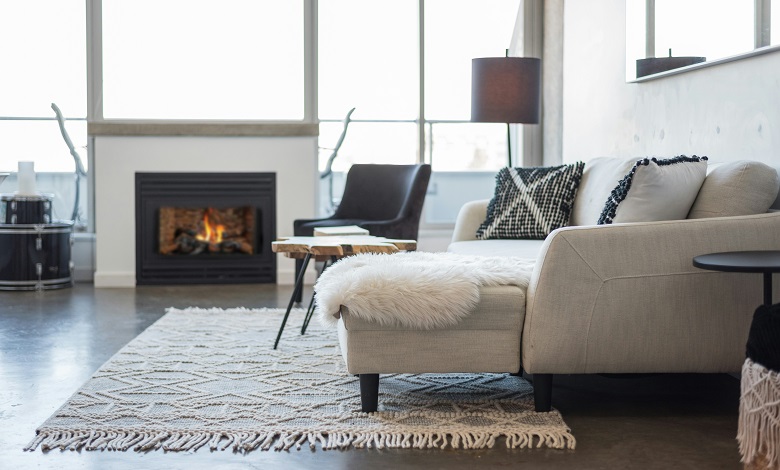
A becoming minimalists home focuses on open space, simplicity, and function.
💻 Use digital tools mindfully
Adopt tools that help you live better, not busier.
Getting Started: A Simple Minimalist Lifestyle Plan 🚀
If you’re thinking, “I want to become a minimalist”, start small:
- Begin with one room or drawer
- Remove items you don’t use
- Follow the “one in, one out” rule
- Limit digital distractions
- Focus on experiences over possessions
This gradual approach helps you transition into a simple minimalist lifestyle without pressure.
Think of it as slow living and minimalism combined—a journey, not a race.
FAQs ❓
1. What is the difference between minimalist living and digital lifestyle?
Minimalist living focuses on reducing physical and mental clutter, while a digital lifestyle focuses on using technology for daily activities and productivity.
2. Can I follow minimalism while living a digital lifestyle?
Yes, many people combine both by practicing digital minimalism—using technology intentionally while keeping life simple.
3. Is minimalist living suitable for families?
Yes, minimalist family living is possible and often helps reduce stress, improve organization, and strengthen relationships.
4. How do beginners start minimalism?
Start small by decluttering one space, reducing unnecessary purchases, and focusing on experiences rather than things.
5. Does minimalism help save money?
Absolutely. Frugal living and minimalism help reduce unnecessary spending and encourage mindful financial habits.
6. Is extreme minimalism necessary?
No. Extreme minimalism living works for some, but most people benefit more from a balanced, practical approach.
Conclusion 🌿
When comparing minimalist living vs digital lifestyle, the goal is not to eliminate one for the other. Instead, the best approach is balance.
Minimalism teaches you to let go of excess, while a digital lifestyle gives you tools to thrive in a connected world. Together, they can help you create a minimalism live a meaningful life philosophy—where clarity, purpose, and intention guide your decisions.
Whether you’re just starting becoming more minimalist or refining your digital habits, remember: less clutter (physical or digital) often leads to more freedom.


